I asked two key questions:
1. How effective are the keystone species plateau and Daurian pika as umbrella species for current conservation purposes?
2. If they are effective umbrella species, can they maintain the status in future
I used species distribution modelling to assess whether keystone pika species can serve as "umbrella species" for broader biodiversity conservation under climate change. This was part of my master's thesis research and my first first author paper!
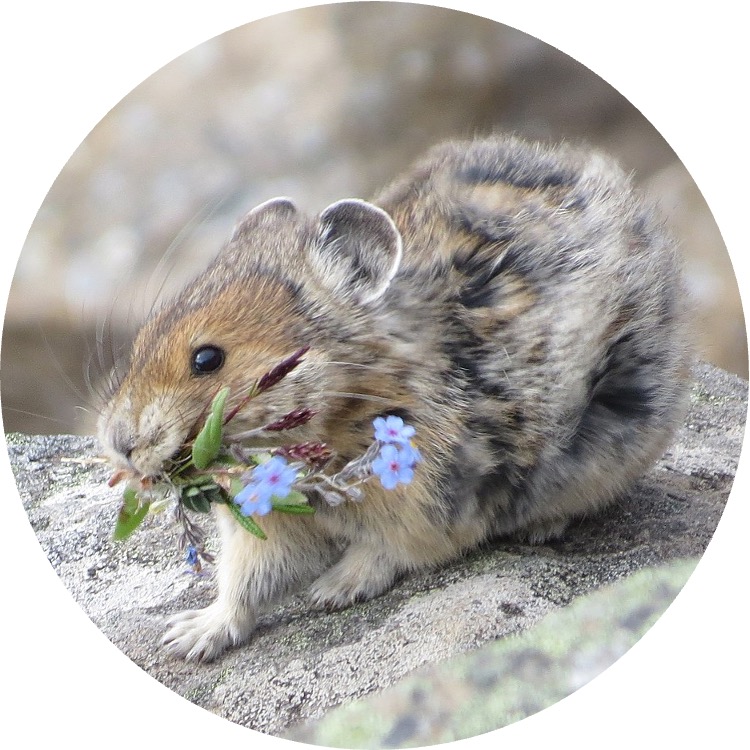
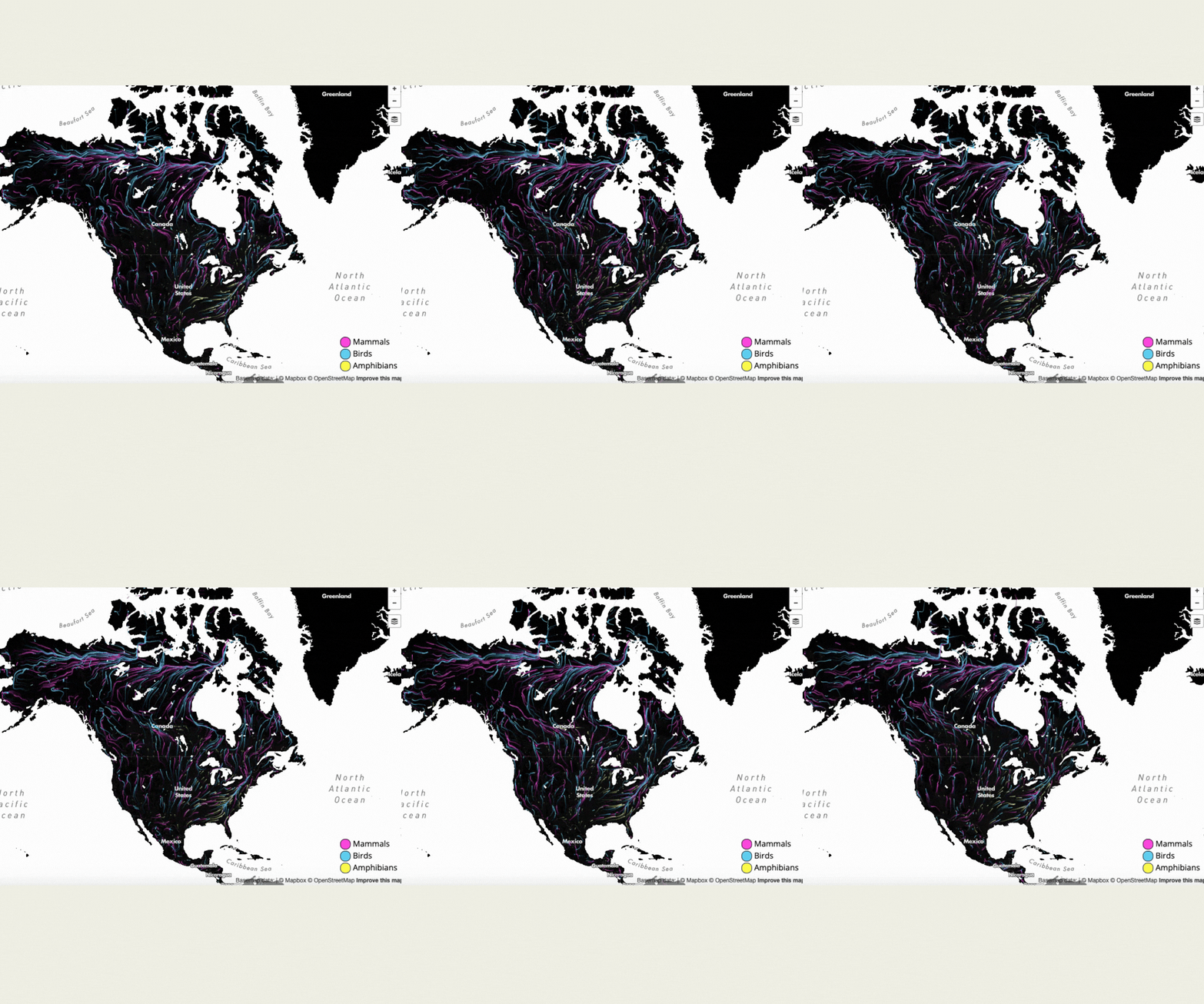
Approximately 50% of all species are estimated to shift their geographic ranges with rising temperatures. And the limited resources availablity for monitoring the impacts of multitude of pressures on species complicates conservation efforts.
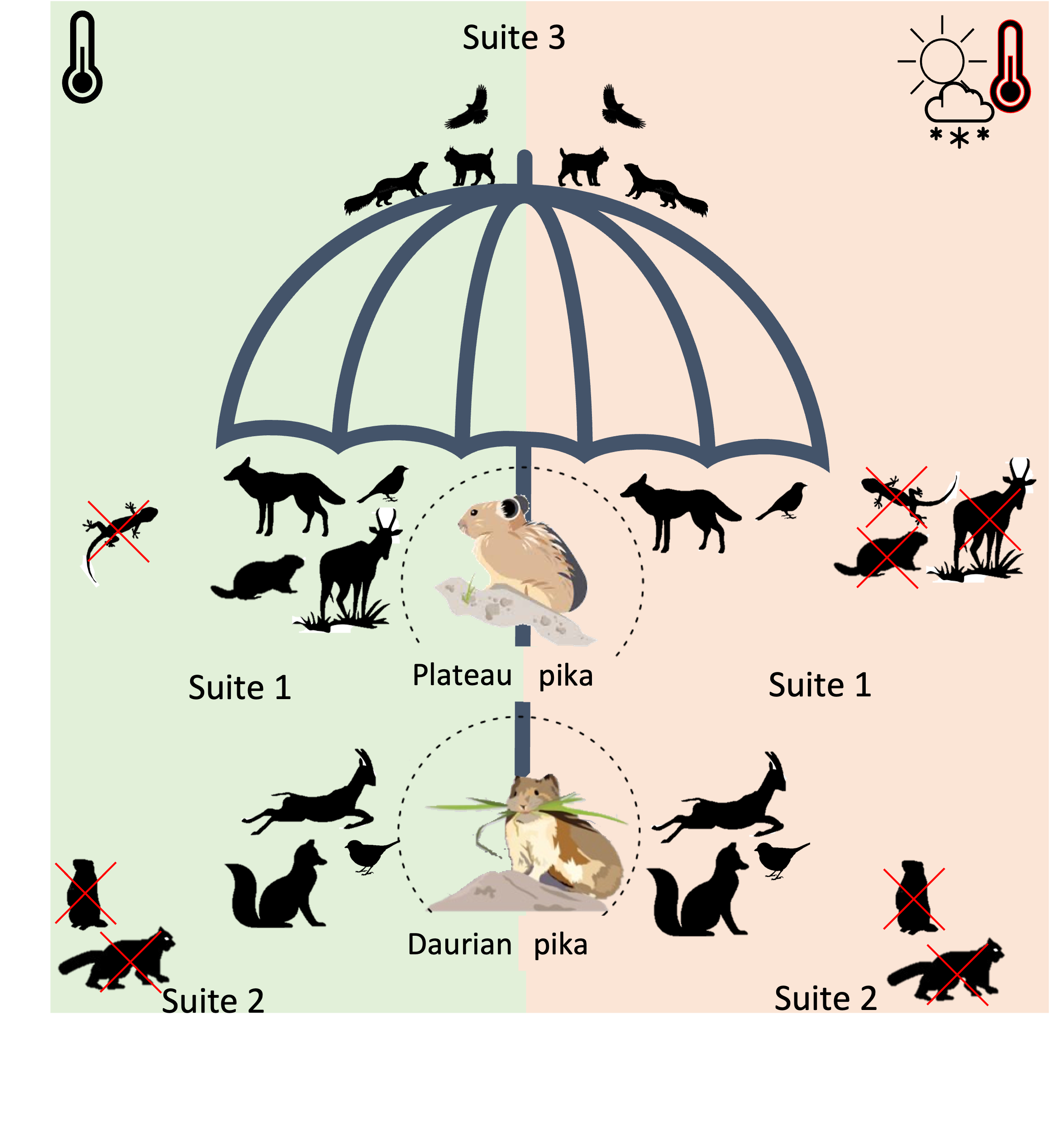
The umbrella species concept is frequently used when the resources for conservation efforts are limited due to extended benefits to other co-occurring species. Keystone species are often suggested as potential umbrella species, but with climate change a multidirectional effect on the distribution of species can lead to the distribution of umbrella species to be affected differently than that of beneficiary species. The validity of applying the umbrella species concept in conservation may thus be jeopardised.
I investigated the potential of two keystone species, the plateau pika (Ochotona curzoniae) and the Daurian pika (Ochotona dauurica), to be umbrella species for 13 potentially co-occuring species under current and future climate conditions.
I asked two key questions:
1. How effective are the keystone species plateau and Daurian pika as umbrella species for current conservation purposes?
2. If they are effective umbrella species, can they maintain the status in future
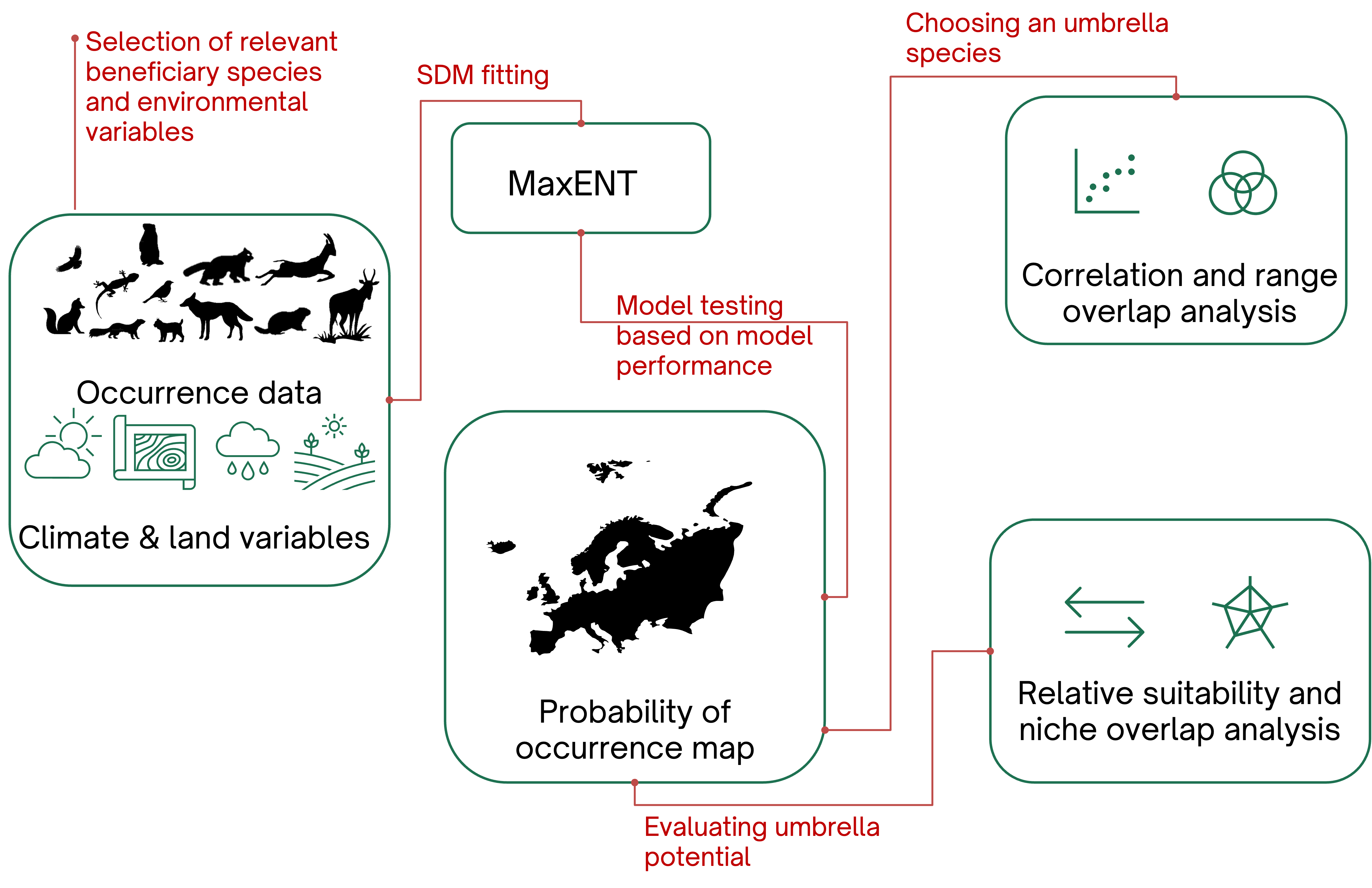
I selected two keystone species, the plateau pika (Ochotona curzoniae) and the Daurian pika (Ochotona dauurica), as potential umbrella species. For each species, I selected 5 co-occuring species based on ecological and/or geographic relations. And three species that co-occur with both the pika species.
Species distribution models (SDMs) were fitted for each of the 15 species using MaxEnt then projected under current and future climate scenarios to assess changes in suitable habitat. Probabiity of occurrence maps were used to assess the overlap between the pika species and their co-occuring species.
Read more on methodology here
I did this project during the peak of COVID in 2020 yet it was something that I thoroughly enjoyed and wouldn't have it any other way.
