Bioscore3.0

A spatially explicit biodiversity assessment tool for policy support

I contributed to the development of the BioScore3.0 modelling framework by restructuring its architecture into modular components, expanding its taxonomic scope, and improving transparency through version control and collaborative workflows.

Role: Model developer & infrastructure contributor
Methods: Species Distribution Modelling, Climate Scenario Analysis, Spatial Overlap
Tools: R, Git, GitHub
Project visualization

Overview

The Challenge

BioScore3.0 is a spatial explicit species specific biodiversity modelling framework used to assess the impacts of policy measures on biodiversity in Europe. BioScore uses relationships between the occurrence of species and environmental conditions to predict the effect of policy measures on the distribution of species and vegetation types across Europe.

BioScore3.0 used for the WET Horizon project which required the framework to grow in scope and application. Thus, there was a need to improve its structure, reproducibility, and capacity to incorporate additional taxonomic groups and enhance its transparency and collaborative potential.

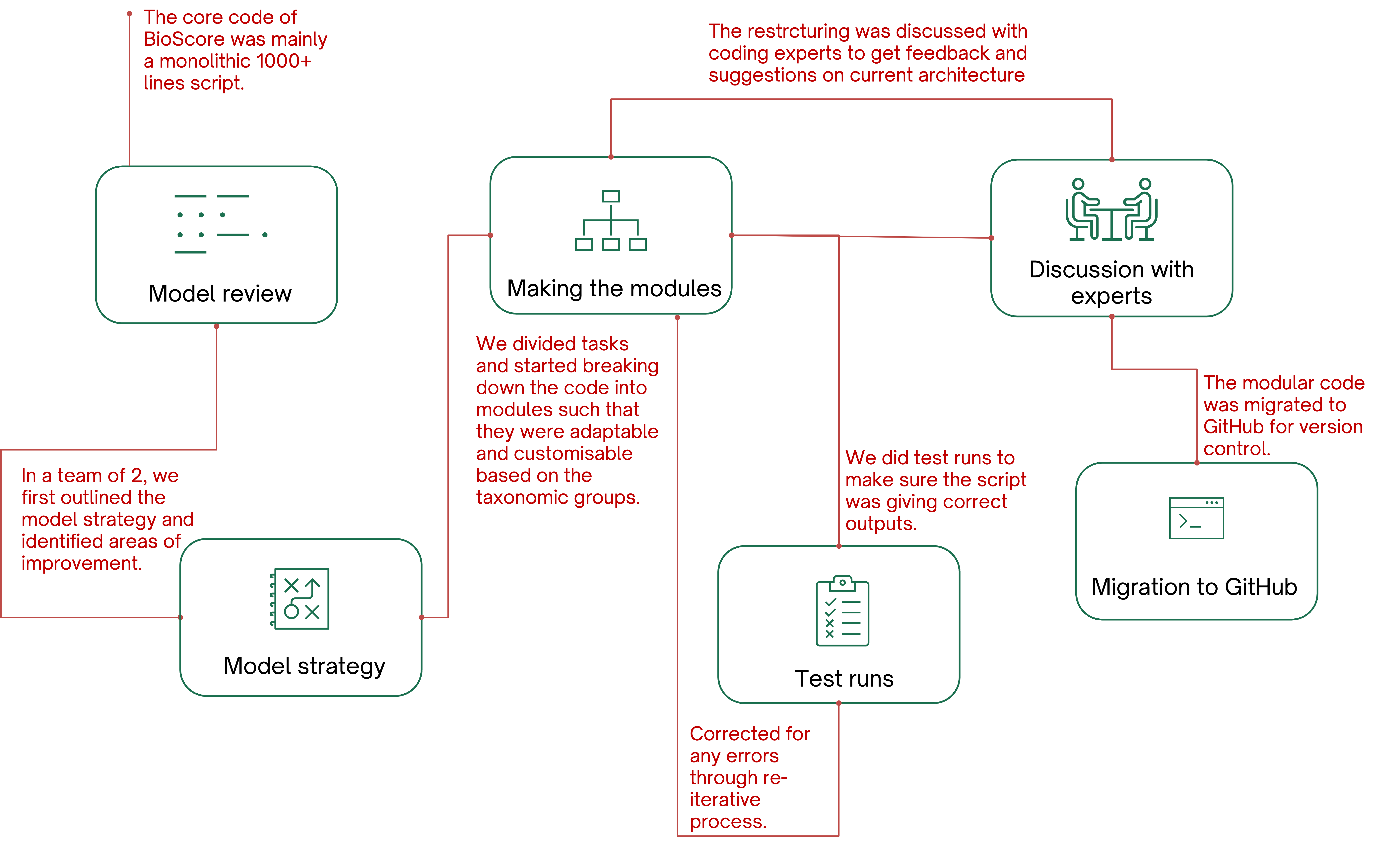
I collaborated on redesigning the workflow, incorporating new taxonomic groups, and implementing version control and collaborative practices using Git and GitHub. I initiated the BioScore project meeting for development of model strategy in line with the PBL's model directive.
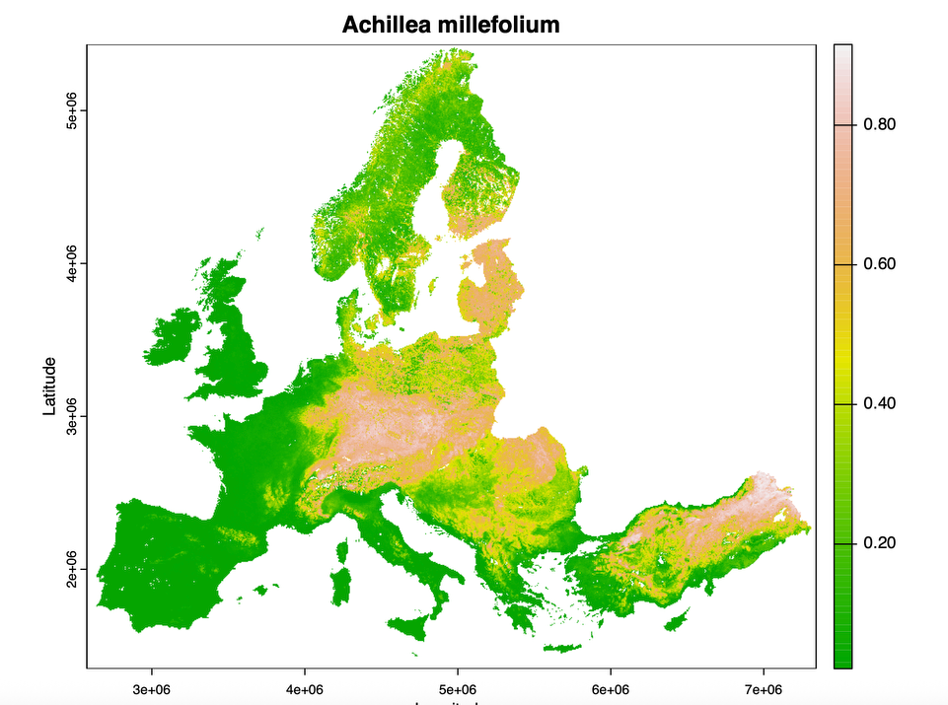
Wetland biodiversity visualization

Design rationale

While restructuring the BioScore3.0 framework, I used the following as guiding questions:

1. How can new taxonomic groups, predictors, or validation approaches be integrated without rewriting large portions of the workflow?

2. How can the framework be made accessible and intuitive to various audiences, especially non-modellers?


Workflow

Methods workflow diagram

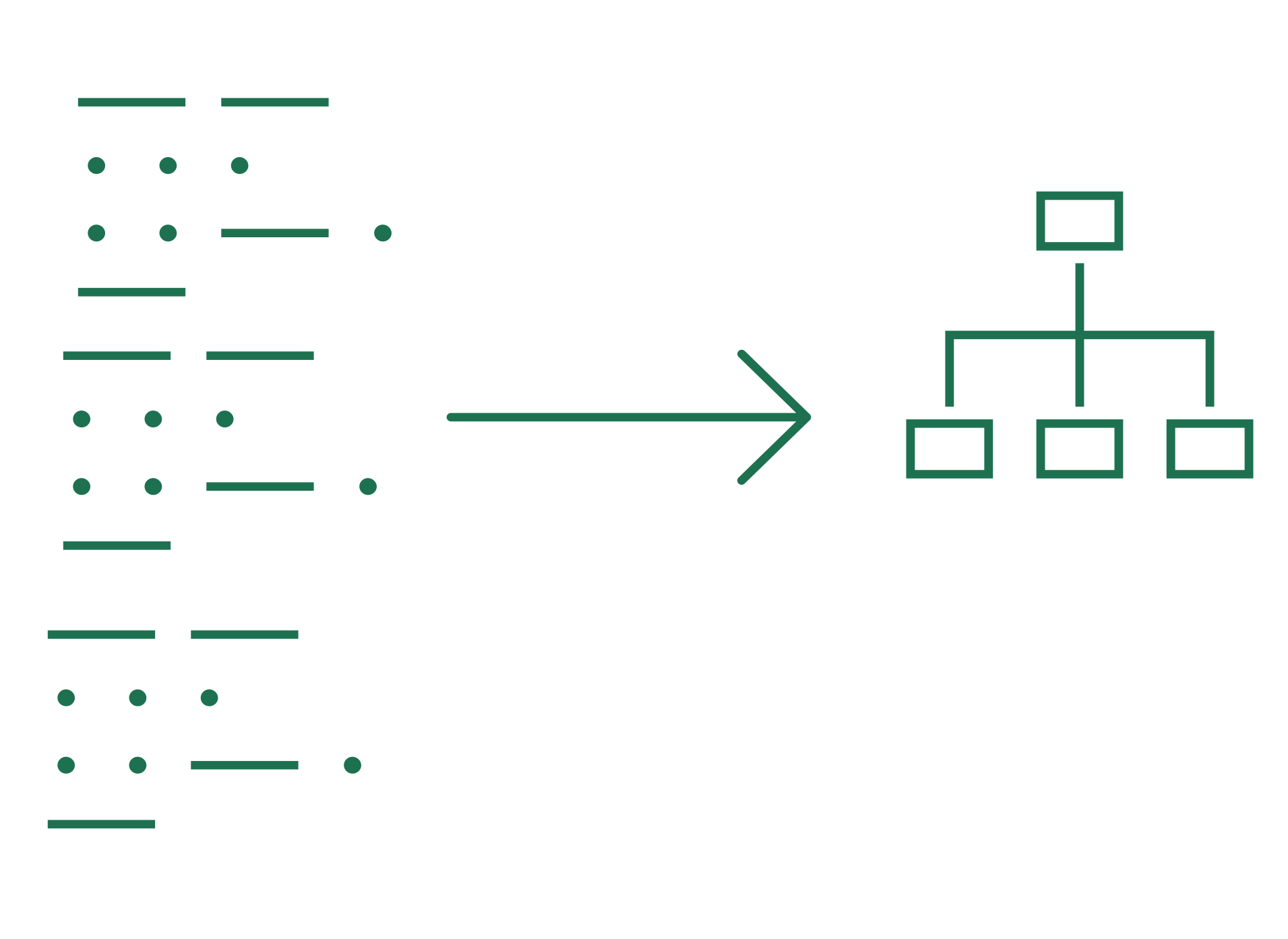
I expanded the BioScore3.0 modelling framework to non-vascular plants and birds by incorporating new environmental predictors, data pre-processing steps and validation steps. I co-developed the modular framework and co-ordinated the migration to GitHub. I also created a user-friendly documentation to guide future users.

BioScore3.0 restructuring was a coordinated effort of myself and Marjon Hellegers. We worked closely together to design the modular structure based on the model strategy, define the components, and implement the new features. We also collaborated with experts on setting up the GitHub repository, defining the branching strategy, and establishing guidelines for contributions and version control.

Find more on BioScore and the code here


Impact

  • The modular restructuring significantly improved the clarity and maintainability of the modelling workflow.
  • Given that each taxonomic group had its own variables and preprocessing data,separating preprocessing, modelling, and validation components enabled independent testing and faster iteration..
  • BioScore3.0 was now simultaneously used for various projects and integrating GitHub version control strengthened transparency, documentation, and collaborative development.

Takeaways

I really enjoyed restructuring a messy script. At every step, I was challenged to view the script from a lens of someone who has no clue about modelling.


Hand drawn illustration by Ojaswi Sumbh